I used to think I was the hero in every RPG. Then someone left me for dead in a desert, a mind flayer tadpole crawled behind my eye, and an evil overlord handed me a badge. By 2026, I have accepted something uncomfortable: my favorite role-playing games are not the ones where I save the world with a pure heart. They are the ones where I can lie, betray, manipulate, and occasionally burn everything down just to see what happens. The Oxford English Dictionary defines an antihero as "a central character in a story, film, or drama who lacks conventional heroic attributes." These are the games that let me become one.
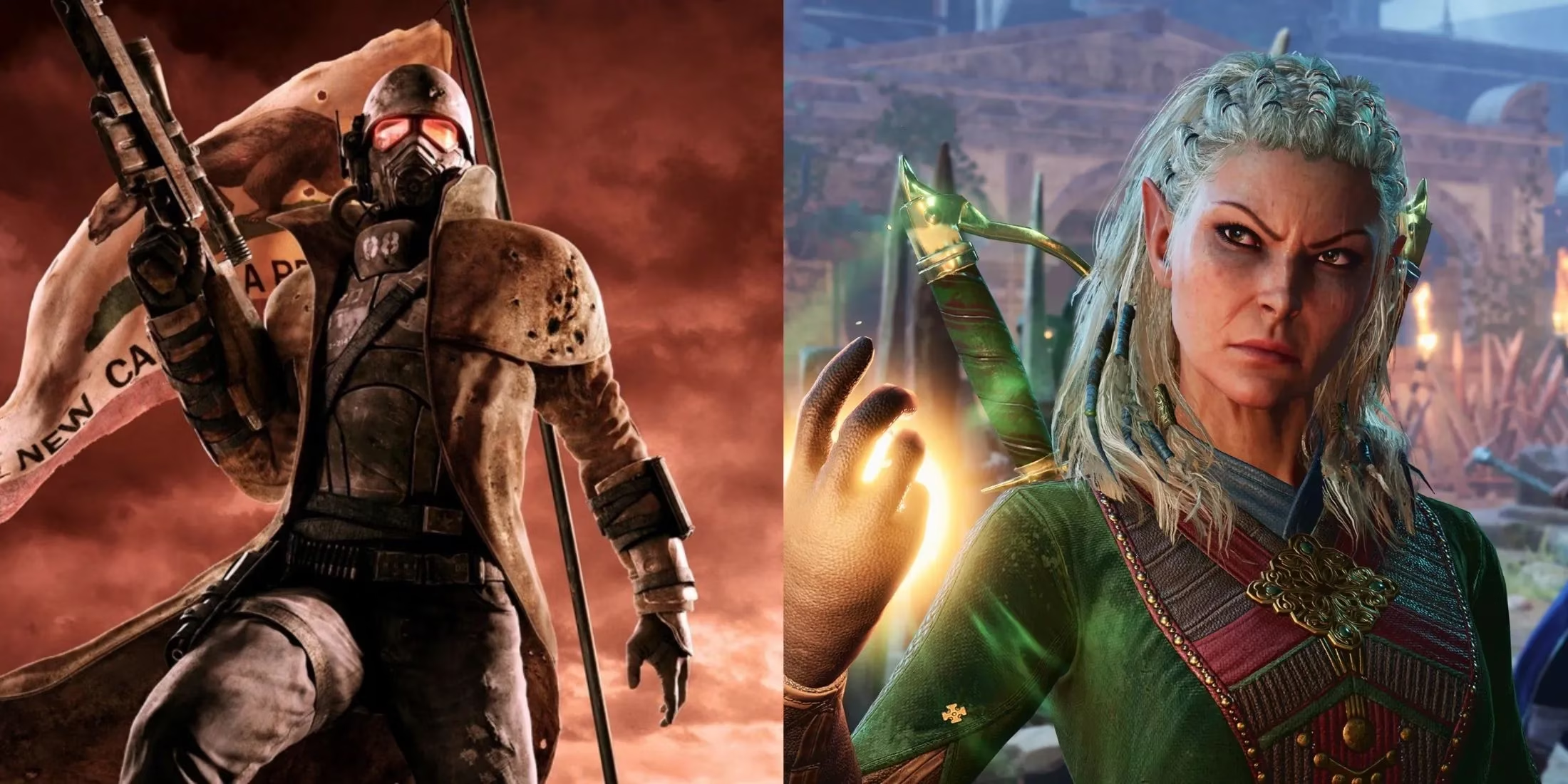
🎭 Baldur's Gate 3: My Parasite, My Rules
In Baldur's Gate 3, I didn't have to play the savior. The game continues the legacy of Dungeons & Dragons with the same character customization and freedom, but it also lets my choices ripple through the world. A parasitic infection spreads across the land, and I must stop it before it wreaks devastation. But that does not mean I must fight with the angels.
What makes Baldur's Gate 3 stand out is how my lies, deceptions, and manipulations actually shape the narrative. On my first run, I played a charismatic bard who convinced a goblin camp to tear itself apart while I looted the corpses. I betrayed a companion, sold another one out, and still ended the game as the "hero" because the game never forces a moral compass. By 2026, additional patches and mods have only deepened that reactive freedom.
⚖️ Tyranny: I Was the Villain's Middle Manager
Tyranny is unique because I was working for the bad guys from the very start. The evil overlord Kyros has already conquered the world, and my protagonist, a Fatebinder, is one of Kyros's minions. My job is to monitor and keep track of how order is imposed.
Morally dubious decisions are encouraged. I had to choose how to deal with many survivor factions, and each choice affected which companions, spells, and abilities I could access. I remember sentencing a rebel leader to death not because I had to, but because it made my position stronger. The game never rewarded me for being kind; it rewarded me for being effective. And that was terrifying.
🌵 Fallout: New Vegas: Left for Dead, Now Running the Show
The Fallout games are known for dark humor and a bleak post-apocalyptic world where survivors do what they must. That tone also carried into the Amazon TV series, but playing The Courier in Fallout: New Vegas was my real education in selfishness.
Early on, I suffered a betrayal and was left for dead in the desert. After that, I had the chance to forge a path to power by allying with all kinds of morally reprehensible groups. I could side with Caesar's Legion, a totalitarian faction, or the opportunists of the New California Republic. In the Mojave, being selfish was an asset rather than a drawback. I never felt guilty; I just felt efficient.
🌌 Star Wars: Knights of the Old Republic II: The Jedi Exile in Me
The original KOTOR was a highly acclaimed dive into Star Wars with fresh characters and memorable villains. But the sequel went further. I took control of the Jedi Exile, a character with a thorny backstory rooted in conflict, and the Dark Side of the Force was explored in more detail.
I could invest heavily in the dark side, committing acts of malevolence and destruction. I remember corrupting my companions until they became hollow, rage-filled versions of themselves. The game did not lecture me. It simply let the consequences unfold in ways that felt earned.
🛰️ The Outer Worlds: Satire, Greed, and Choosing The Board
The Outer Worlds works because its critique of unregulated capitalism is woven into every quest. Its grim humor and satirical commentary are a big part of the experience. The first-person RPG lets me forge my own path across the galaxy.
I could push back against the megacorporations. But on one playthrough, I sided with The Board and helped impose control over the colonies. On another, I ignored both sides entirely and simply served myself, prospering at the expense of others. I didn't need a companion to be bad, but sometimes having one along made my greed feel more like a business decision.
💡 What Being the Antihero Taught Me
-
Moral ambiguity gives me a different kind of freedom.
-
Faction loyalty can turn a simple quest into a personal betrayal.
-
Selfish mechanics often create the most memorable consequences.
-
In 2026, these games still remind me that heroism is optional.
Comments