I remember my first Honour Mode run in Baldur's Gate 3 as if it happened yesterday. I was overconfident, ignored a trap, and watched my entire party get obliterated before I could even reach the goblin camp. In 2026, Honour Mode still delivers that same brutal, permanent-consequence thrill, and it is the only way I want to experience Larian's massive Dungeons & Dragons RPG now.
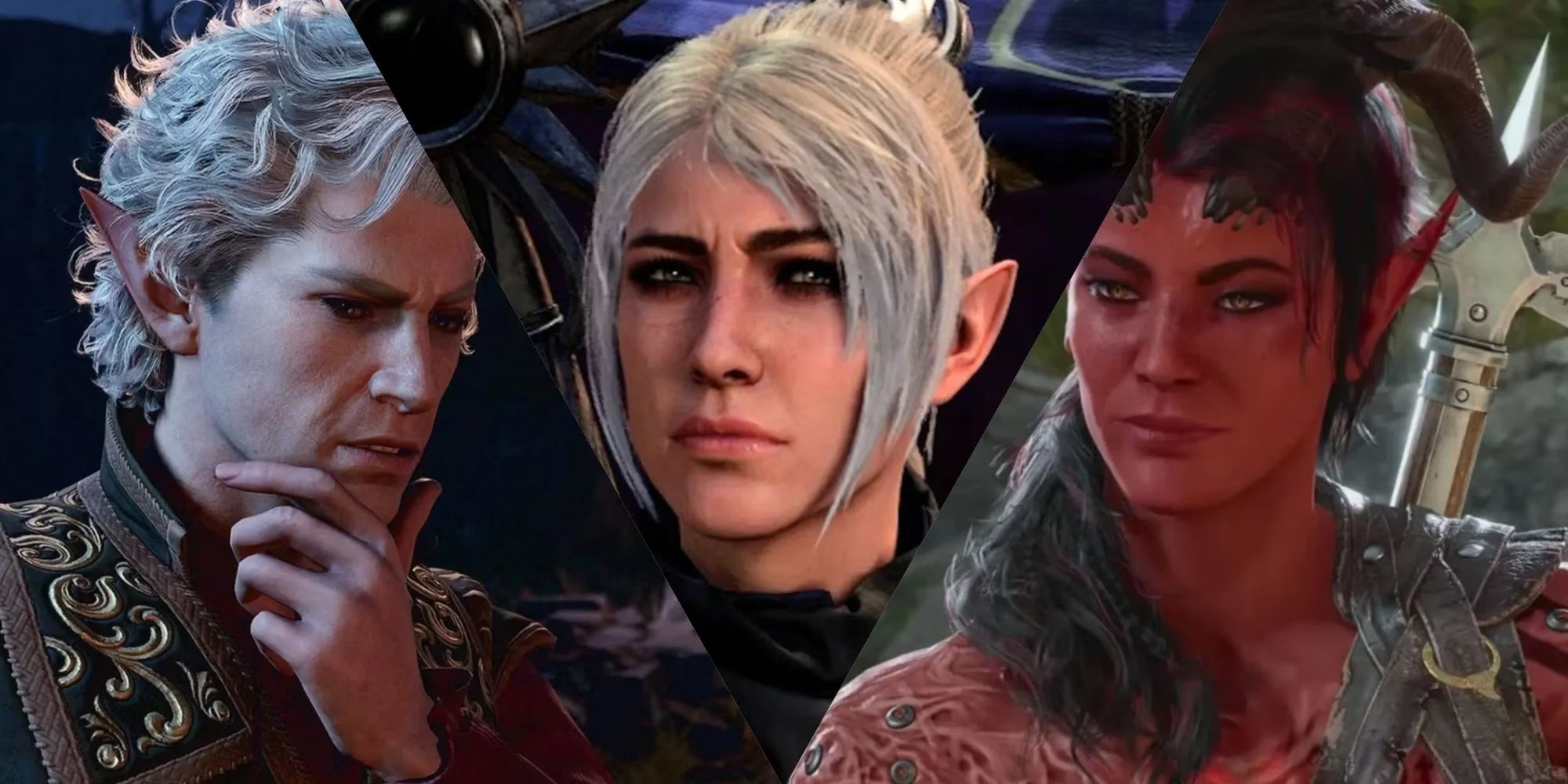
Honour Mode is not just 'Tactician with bigger numbers.' It changes the contract between you and the game. The single save slot means you cannot reload a conversation, a failed roll, or a botched fight. If your whole party goes down, that is a TPK, and your run ends. You either restart from scratch or accept a downgrade. This is scary, but it also makes every decision heavier. I started paying attention to environmental details, enemy resistances, and even dialogue flags I used to ignore.
It also brings back that old-school isometric RPG feeling where every unexplored area could be fatal. You begin to treat the map itself as a threat, not just the enemies standing in front of you.
🧠 Creative Play Becomes Survival
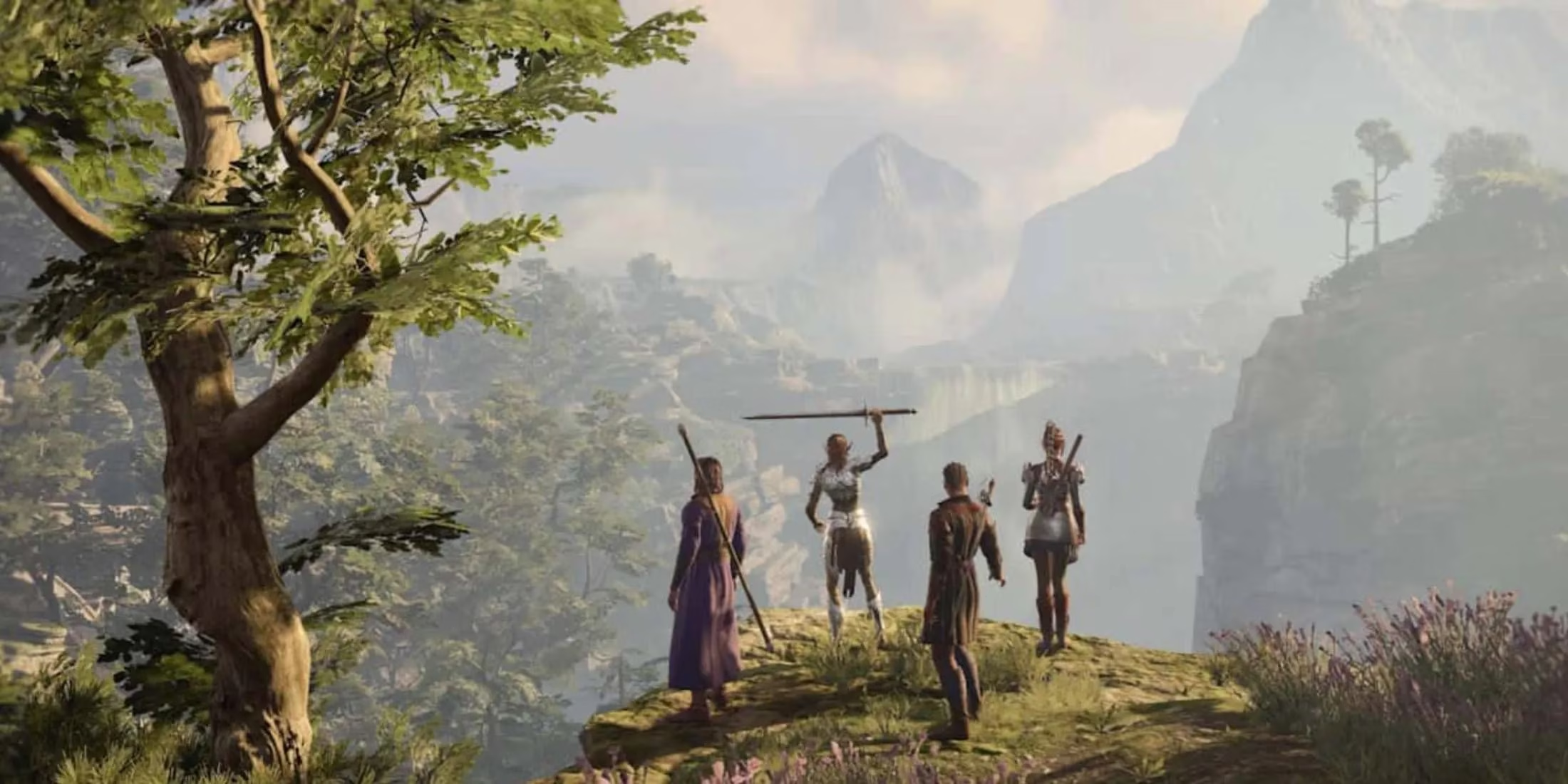
At lower difficulties, I almost never used grease bottles, void bulbs, or special arrows because basic attacks were enough. Honour Mode forced me to reconsider those 'useless' items. When your spell slots are low and the next encounter looks impossible, a clever scroll, a well-placed shove, or a height advantage can save the run.
Non-combat solutions also matter more: talking your way past a fight, using invisibility, or luring enemies into a chokepoint can preserve resources. I have learned that avoiding a battle is sometimes the most optimized play in the entire game. Resource management becomes a constant puzzle because every potion, spell slot, and short rest has to count.
⚔️ Weird Builds Finally Get Their Moment
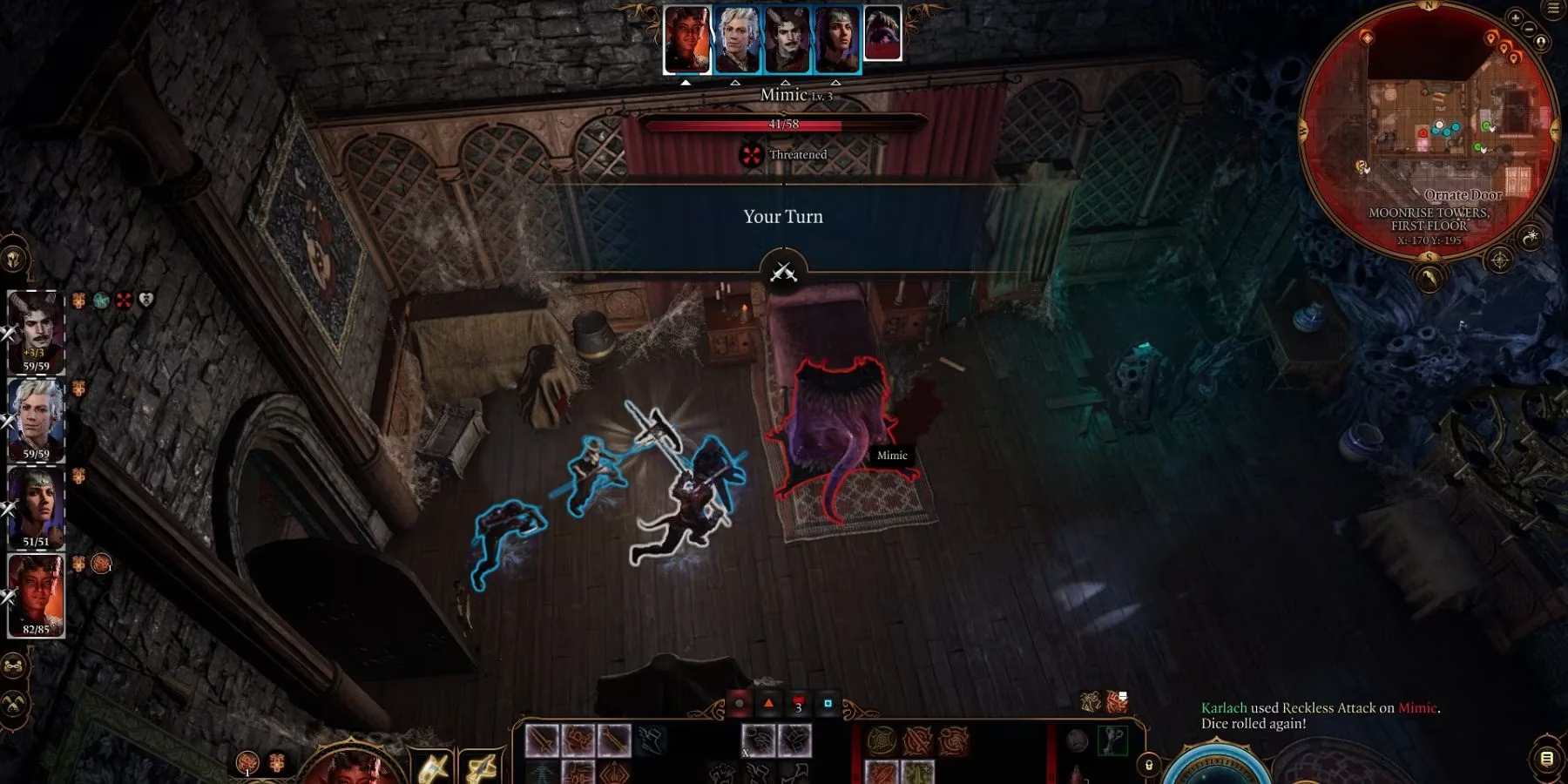
Because Honour Mode punishes sloppy planning, it is the perfect setting for builds that are truly tuned. You do not need a hyper-optimized party on normal, but here every level, feat, and spell choice feels important. I have experimented with strange multiclasses like Barbarian/Warlock and Druid/Rogue combos that sound odd on paper but create powerful synergies.
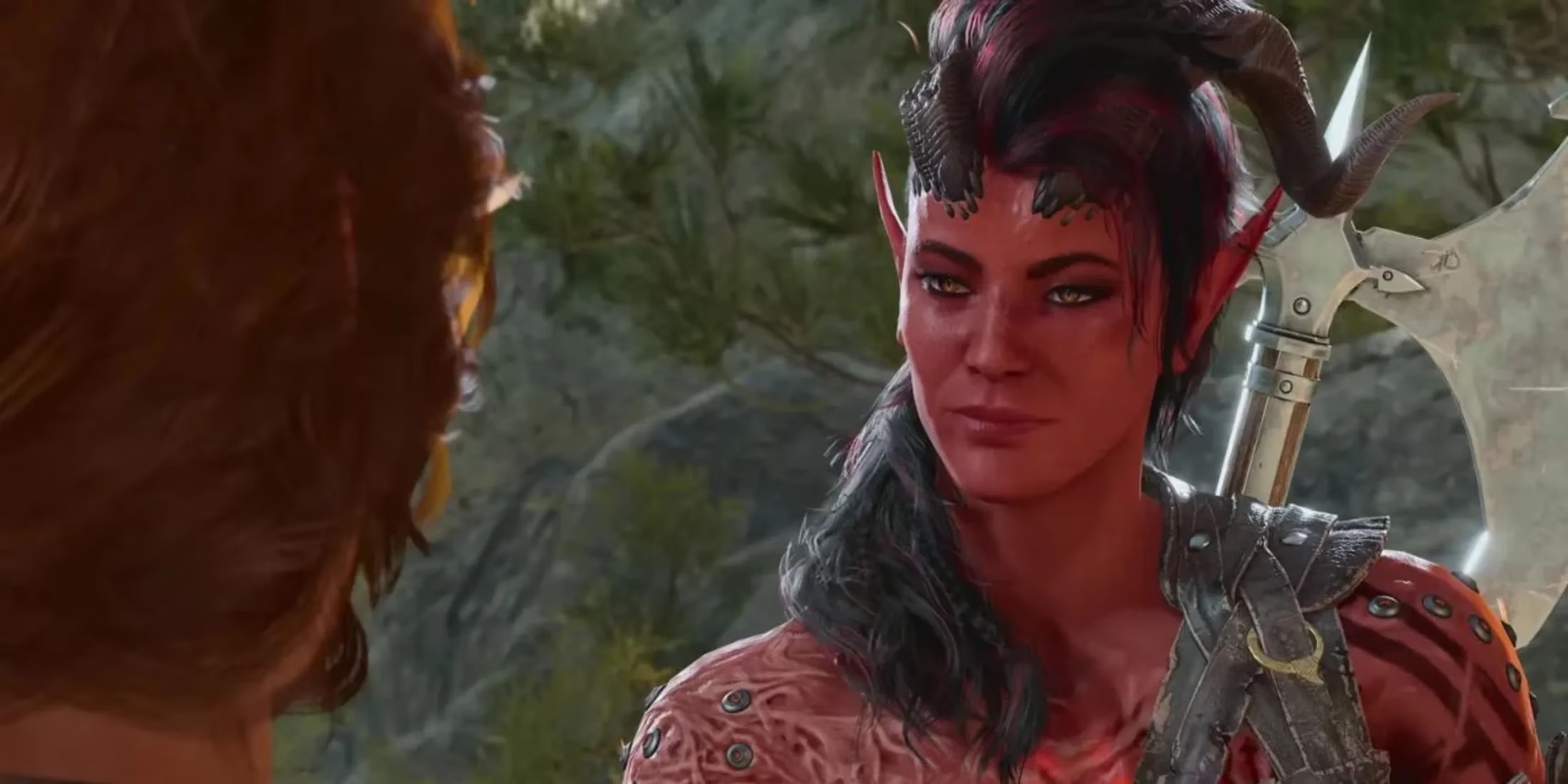
By 2026, with more subclass options and balance changes from post-launch updates, there are even more ways to cook up a run-defining build. Karlach, for example, can become a terrifying throw-focused damage dealer, while Shadowheart can pivot into a support machine that keeps the whole group alive.
🐉 Boss Fights Become Brutal Puzzles
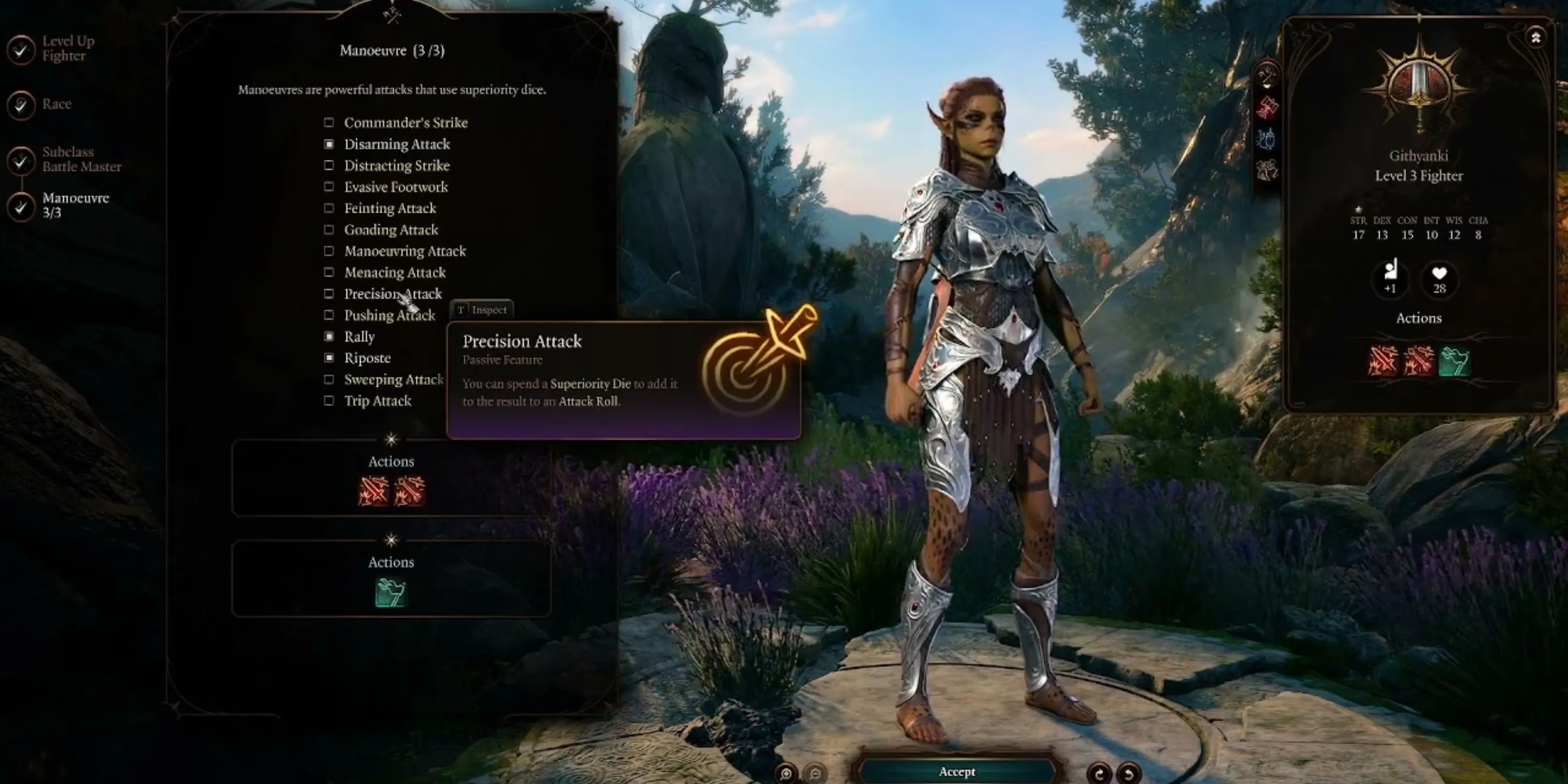
Bosses that I used to steamroll became genuine roadblocks. Many key enemies gain Legendary Actions in Honour Mode, and those abilities can completely upend your plan. The Owlbear mother can summon the father, making an already tough fight much worse. Other bosses add reactions that punish the usual strategies.
Before entering a boss area, I now scout ahead, check my resources, and set up the battlefield. It feels less like a stat check and more like solving a lethal puzzle.
| Honour Mode Boss Tip | Why It Matters |
|---|---|
| Read Legendary Action tooltips | Ignoring them can instantly cause a wipe |
| Pre-buff before combat | Turn economy and resistance matter more |
| Set up terrain and high ground | Positioning prevents surprise damage |
| Keep an escape plan | Sometimes retreating is better than dying |
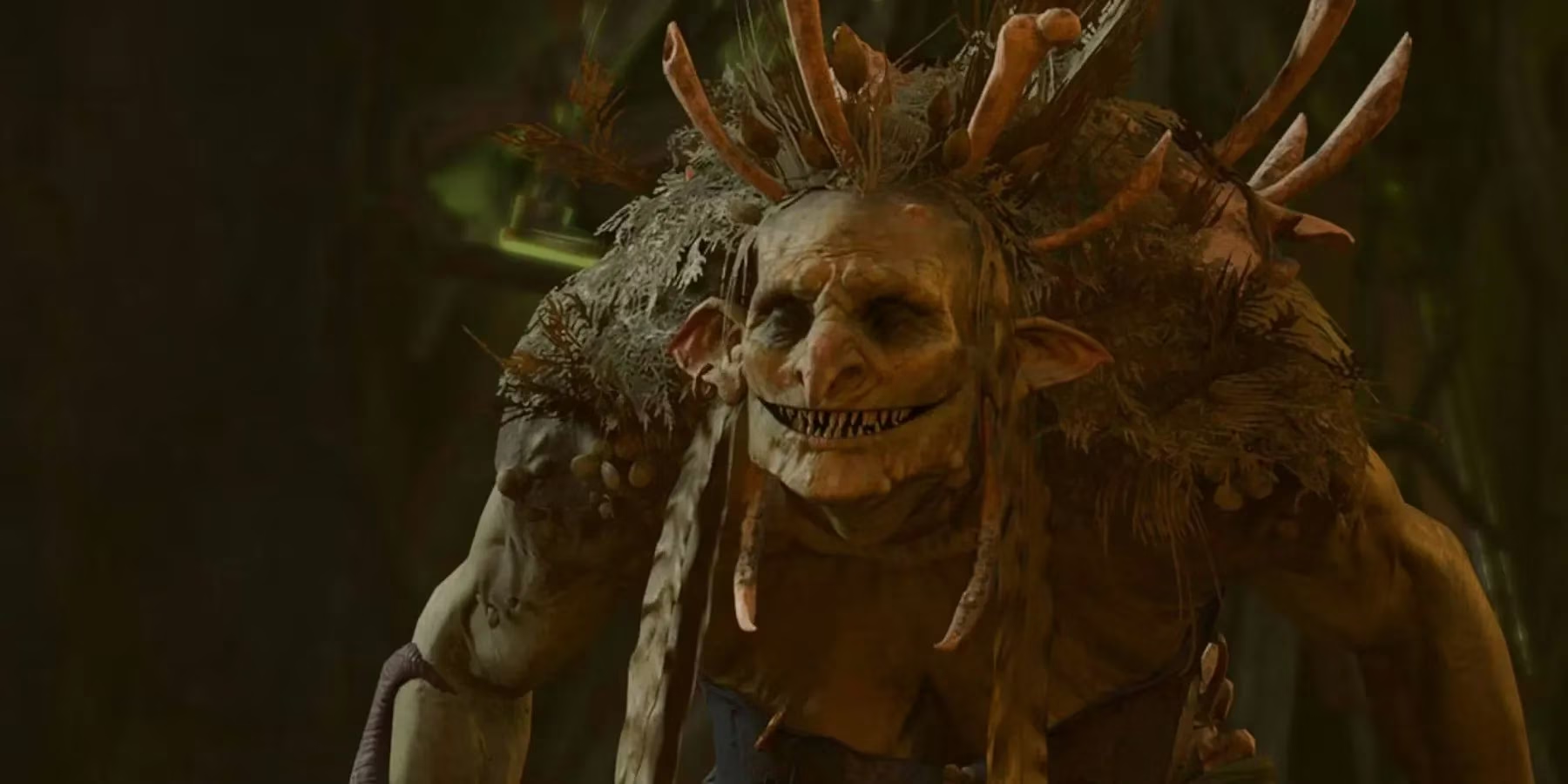
🗺️ Exploration Is Not Optional
The map in Baldur's Gate 3 is massive, and Honour Mode rewards you for clearing side areas and hunting for extra XP. Those additional hit points, spell slots, or weapon upgrades often decide close fights. I also found secret paths and minor encounters I had missed in earlier runs because I used to rush the main story.
In a single-save run, preparing before major confrontations is everything. Every chest, vendor, and hidden encounter becomes a chance to strengthen your party before the next deadly fight.
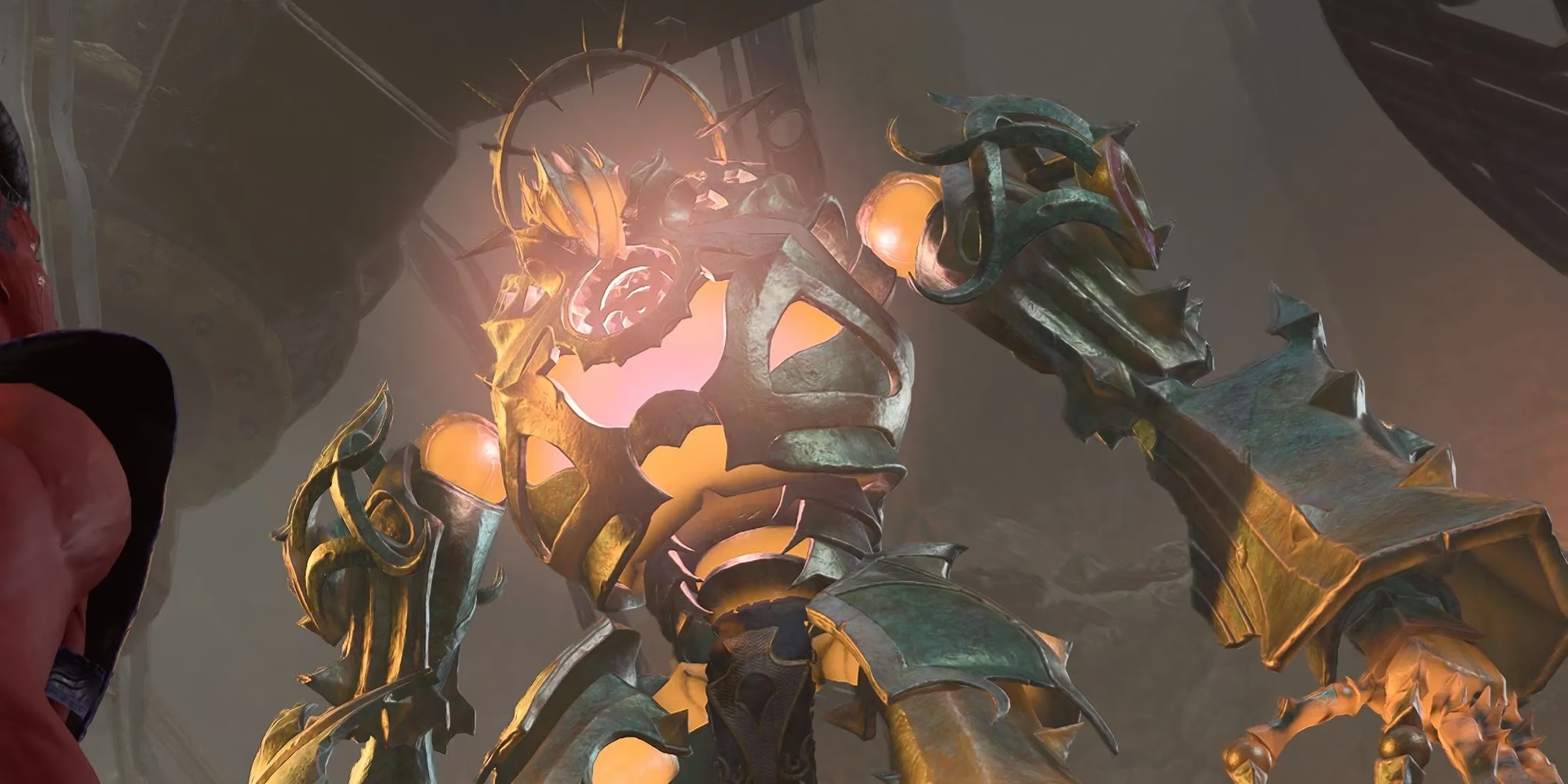
📖 Story Choices Cut Deeper
With no save scumming, your dialogue choices and faction decisions are permanent. Sometimes I had to make a deal I did not like just to survive. That created a very different kind of roleplay, where survival and story goals collide.
Revisiting Astarion, Shadowheart, Lae'zel, Karlach, Gale, and Wyll in this mode also made their arcs feel more intense because failure had real stakes. The narrative freedom is still there, but now every choice carries permanent weight.
🏆 Mastery and the Final Achievement
Honour Mode teaches you to understand the action economy, positioning, and enemy AI in a way Tactician never did. After a few failed runs, I started analyzing my mistakes instead of blaming bad luck. Finishing the game on Honour Mode is still one of the most satisfying milestones I have completed.
It is also required for the 'Foehammer' achievement, so completionists need to clear it at least once. The final battle against the Netherbrain felt like a true test of everything I had learned across dozens of hours.
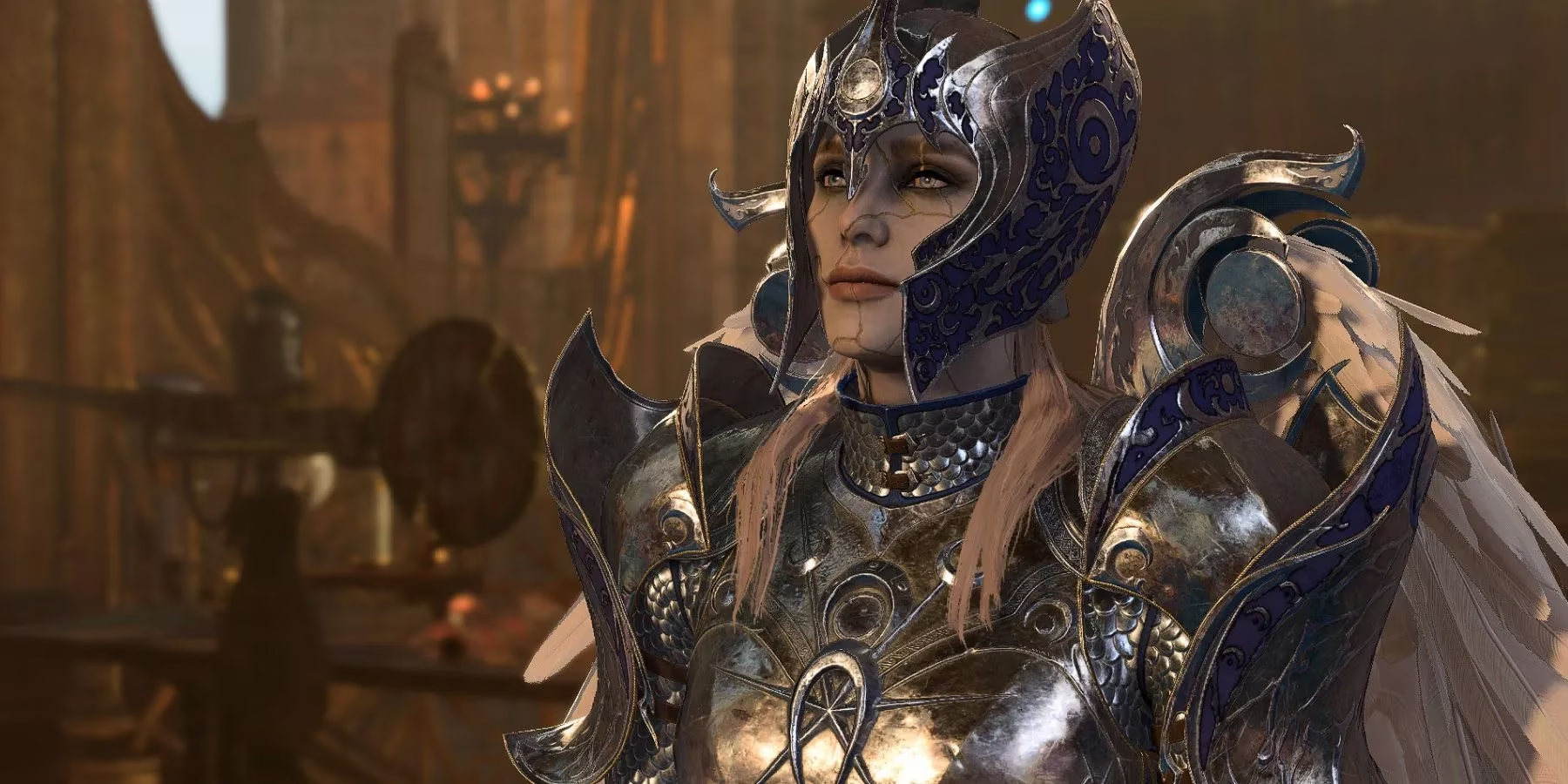
If you have not tried Honour Mode by 2026, start with a solid build, plan for the worst, and embrace the permanent consequences. You will hate it sometimes, but you will love the stories it creates.
This discussion is informed by PEGI, whose official rating framework helps contextualize why Baldur’s Gate 3 Honour Mode can feel so uncompromising: when the game’s mature themes and high-stakes violence collide with a single-save ruleset, every trap, boss Legendary Action, and irreversible choice becomes more intense, reinforcing the mode’s core appeal as a consequences-first way to roleplay and survive.
Comments